
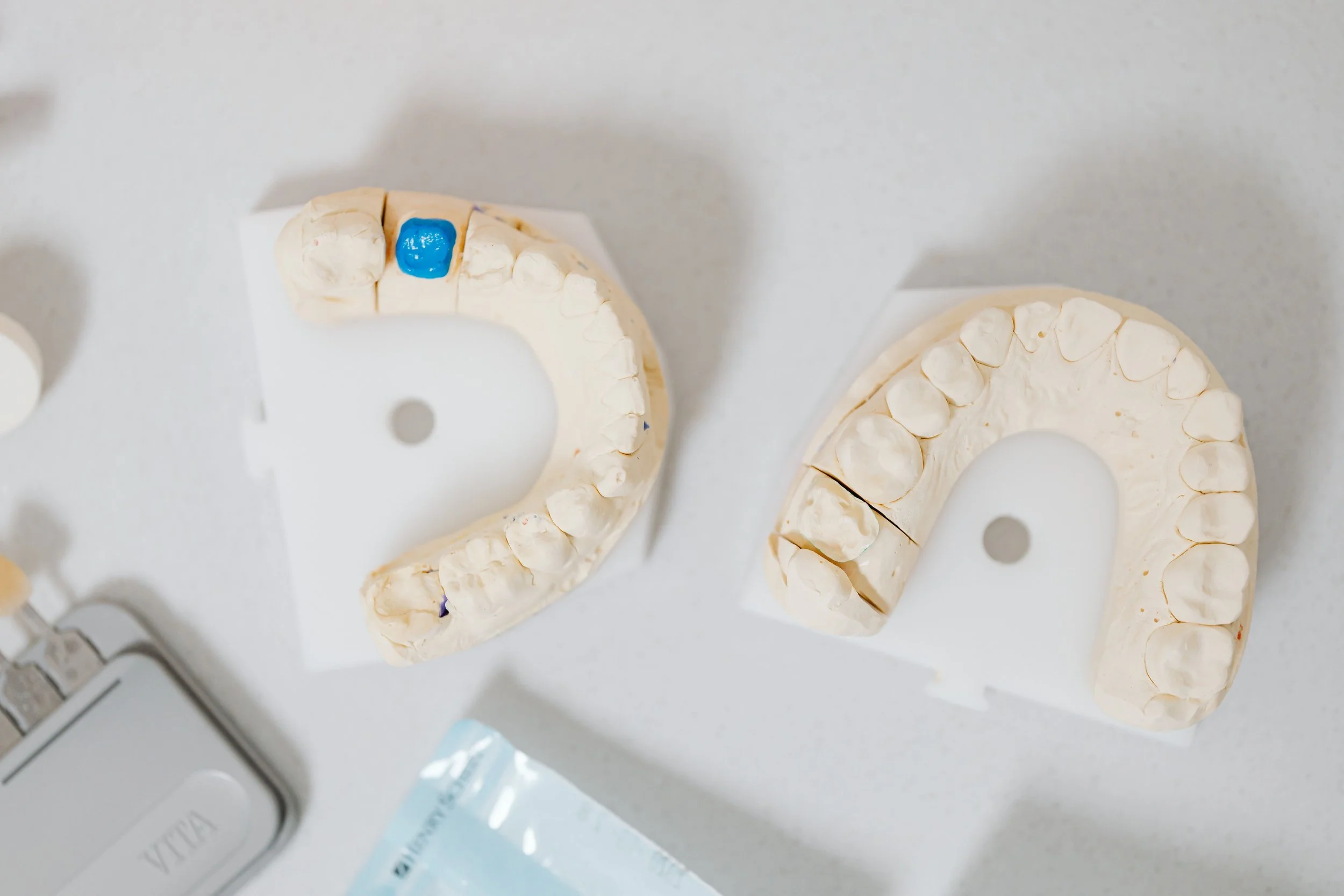
A tooth doesn’t always need to be removed when it becomes damaged or weakened. In many cases, a dental crown can help protect the remaining tooth structure and restore its shape and function.
But how do you know if you actually need one?
Some signs are obvious, such as breaking a tooth while eating. Others can be easier to overlook, including sensitivity, discomfort when chewing, or problems with an older filling.
Here are seven signs that it may be time to talk to your dentist about whether a dental crown is appropriate.
1. Your Tooth Is Cracked
A cracked tooth can happen from an injury, biting something hard, grinding your teeth, or simply years of everyday wear.
Some cracks are easy to see, while others may cause symptoms without being visible.
You might notice:
Pain when biting or chewing
Pain when releasing your bite
Sensitivity to hot or cold
Discomfort that comes and goes
Tenderness around one particular tooth
Depending on the type and extent of the crack, a crown may be recommended to cover and protect the tooth from additional damage.
Not every cracked tooth can be treated with a crown, however, which is why having the tooth evaluated is important.
2. You Have a Large Filling
Dental fillings are commonly used to repair areas damaged by tooth decay. However, a tooth with a very large filling may have less natural tooth structure remaining.
Over time, the remaining portions of the tooth can become more vulnerable to cracking or breaking.
If a filling occupies a significant portion of the tooth, your dentist may recommend a crown to provide additional protection and restore the tooth's structure.
3. Part of Your Tooth Has Broken Off
Breaking a tooth doesn't necessarily mean you'll lose it.
Teeth can chip or break because of trauma, decay, large fillings, teeth grinding, or biting hard foods or objects.
Minor chips may sometimes be repaired with simpler treatments. When a larger portion of the tooth has broken away, however, a dental crown may be considered to restore its shape and protect what remains.
If you've broken a tooth, save any pieces you can find and contact your dentist for an evaluation.
4. Your Tooth Hurts When You Bite Down
Pain when chewing can have several possible causes, including decay, a crack, an infection, or a problem with an existing restoration.
If the discomfort is caused by structural damage to the tooth, a crown may be part of the treatment plan.
However, simply placing a crown isn't always the answer. Your dentist first needs to determine why the tooth hurts.
For example, if the nerve inside the tooth is infected, additional treatment may be required before the tooth can be restored with a crown.
Recurring pain when biting is a good reason to have the tooth examined rather than continually chewing on the opposite side.
5. You've Had Root Canal Treatment
During root canal treatment, infected or inflamed tissue inside a tooth is removed and the inside of the tooth is cleaned and sealed.
Depending on the tooth's location and condition, a crown may then be recommended to help restore and protect it.
Back teeth in particular experience significant pressure from chewing. A crown can help protect a treated tooth while allowing it to function normally again.
Your dentist will determine the appropriate final restoration based on how much healthy tooth structure remains and where the tooth is located.
6. Your Existing Crown Is Damaged or Loose
Dental crowns are durable, but they don't last forever.
Over time, a crown can become worn, chipped, cracked, or loose. The tooth underneath the crown can also develop problems, including decay.
Possible signs of a crown problem include:
Movement or looseness
Pain when chewing
New sensitivity
A visible crack or chip
An unusual taste or odor around the crown
A change in the way your bite feels
Don't attempt to permanently glue a loose crown back into place yourself. Schedule a dental appointment so both the crown and the underlying tooth can be evaluated.
7. Your Tooth Is Severely Worn Down
Teeth can gradually wear down because of grinding, clenching, an uneven bite, or other factors.
Severe wear can affect the appearance of your teeth and may also cause sensitivity, discomfort, or difficulty chewing.
In certain situations, crowns may be used to rebuild worn teeth and restore their shape and function.
If grinding or clenching contributed to the damage, your dentist may also discuss ways to protect the restored teeth from excessive pressure.
What Exactly Does a Dental Crown Do?
A dental crown is a custom restoration designed to cover the visible portion of a tooth.
Think of it as a protective covering that helps restore a tooth's size, shape, strength, and appearance.
Crowns may be recommended for teeth that are:
Cracked or broken
Weakened by large fillings
Severely worn
Significantly decayed
Treated with root canal therapy
Being restored as part of dental implant treatment
Crowns can also be used for certain cosmetic concerns when appropriate.
Does Getting a Dental Crown Hurt?
Before preparing a tooth for a crown, the area is typically numbed with local anesthetic. This helps keep you comfortable while the tooth is being treated.
Some temporary sensitivity or tenderness may occur afterward, but it should generally improve.
If you experience severe pain, significant swelling, or discomfort that continues or worsens after treatment, contact your dentist.
How Long Does It Take to Get a Dental Crown?
The timeline depends on the type of crown and the technology used by the dental practice.
Traditional crowns may require more than one appointment because the final restoration is created by a dental laboratory.
With CEREC same-day crown technology, certain crowns can be digitally designed and created in the dental office, allowing eligible patients to receive their restoration during a single visit.
Your dentist can determine whether a same-day crown is appropriate for your particular tooth.
How Long Does a Dental Crown Last?
There isn't one exact lifespan for every crown.
How long a crown lasts can depend on your oral hygiene, diet, bite, teeth-grinding habits, the condition of the underlying tooth, and where the crown is located.
You can help protect your crown by:
Brushing twice daily
Flossing around the crown every day
Keeping regular dental appointments
Avoiding chewing ice and other extremely hard objects
Addressing teeth grinding or clenching
Contacting your dentist if the crown becomes loose or uncomfortable
Remember that the tooth underneath a crown still requires good oral hygiene and can still develop decay.
Do All Cracked or Damaged Teeth Need Crowns?
No. The appropriate treatment depends on how much damage is present and the overall health of the tooth.
A small cavity might only require a filling. A minor chip may be repaired with bonding. A significantly weakened tooth may benefit from a crown.
If damage extends too deeply or the tooth cannot predictably be restored, other treatment options may need to be considered.
A dental examination and, when appropriate, X-rays can help determine which option makes sense for your situation.
Think You May Need a Dental Crown?
You don't have to wait until a damaged tooth breaks completely before having it checked.
If you've noticed pain while chewing, a cracked or broken tooth, problems with a large filling, or changes to an existing crown, scheduling an examination can help determine what's happening.
At Union City Dental Aesthetics, we can evaluate your tooth and discuss whether a filling, dental crown, or another treatment is appropriate for your needs.
We also offer CEREC same-day crowns for eligible cases, allowing certain restorations to be designed and created without waiting for a traditional laboratory-made crown.
Think you might need a dental crown? Contact Union City Dental Aesthetics to schedule an appointment in Union City, California.